

Limen nasce da una ricerca sui confini della
percezione, là dove lo sguardo incontra il limite della forma e si apre a
nuove possibilità di visione. Attraverso il linguaggio fotografico, il
progetto esplora due dimensioni complementari dell'esperienza visiva. Da una
parte, la percezione formale, in cui la realtà si manifesta attraverso la
forma, l'armonia e la relazione tra gli elementi; dall'altra, la percezione
informale, in cui la materia, la dissoluzione della figura e
l'indeterminatezza aprono lo sguardo a ciò che precede o oltrepassa la
forma.
Le serie Flowers e Venustas indagano la prima dimensione;
Materia e Apeiron si muovono nella seconda, spingendo la
ricerca verso territori in cui l'immagine perde progressivamente la propria
funzione descrittiva per diventare esperienza, presenza e possibilità di
conoscenza.
Limen è il luogo di passaggio tra queste dimensioni: una soglia sulla quale
la fotografia supera la rappresentazione del visibile per interrogare il
nostro stesso modo di vedere.
L'eternità
effimera
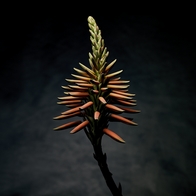
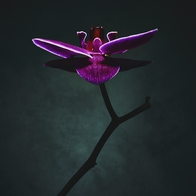
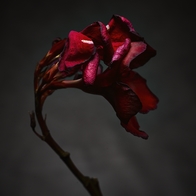
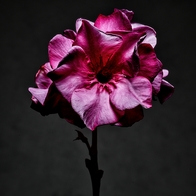
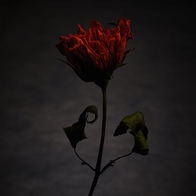
Nella Serie Flowers, il fiore diventa il protagonista di una ricerca
sulla bellezza e sulla sua natura effimera. Isolati dall'oscurità e
modellati da una luce intensa, quasi caravaggesca, i soggetti botanici
emergono come presenze sospese, nelle quali la delicatezza della materia
naturale si trasforma in forma e intensità visiva.
La luce rivela la struttura, esalta il colore e restituisce al fiore una
presenza che sembra sottrarlo al tempo. Ne nasce una tensione tra caducità
ed eternità, in cui la bellezza, pur nella sua fragilità, acquista una
dimensione quasi assoluta.
Oltre il soggetto botanico, Flowers diventa così una riflessione sulla
condizione umana: sul desiderio di trattenere ciò che inevitabilmente passa
e sulla possibilità che lo sguardo, attraverso l'immagine, renda durevole un
istante di vita.
SE DESIDERI SAPERNE
DI PIU' ... 

La
forma come presenza
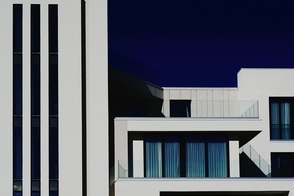
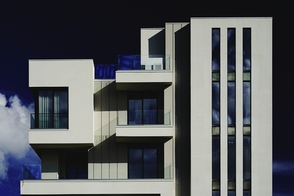
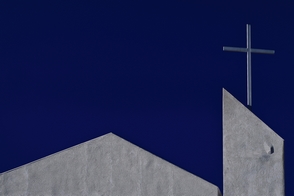
Nella triade vitruviana Utilitas, Firmitas, Venustas, la
bellezza rappresenta una delle condizioni fondamentali dell'architettura. In
questa ricerca, tuttavia, Venustas supera il significato estetico del
termine per interrogare il modo in cui la forma si manifesta allo sguardo e
diventa esperienza percettiva.
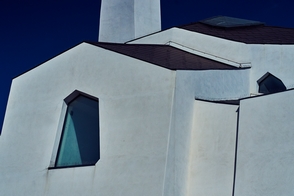
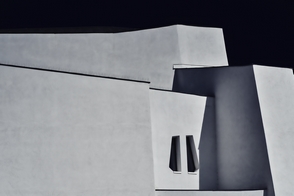
Attraverso un'indagine fotografica sull'architettura, superfici, volumi,
geometrie, ombre e riflessi vengono isolati dal loro contesto funzionale e
simbolico. La luce rivela le relazioni tra pieni e vuoti, tra presenza e
assenza, trasformando elementi familiari in configurazioni visive capaci di
sospendere il riconoscimento immediato della realtà.
La forma non è più soltanto ciò che vediamo, ma ciò che accade nell'incontro
tra l'immagine e lo sguardo. Venustas diventa così una riflessione sulla
percezione, nella quale l'architettura cessa di essere oggetto di
rappresentazione per rivelarsi come presenza: un evento visivo che si compie
nello spazio e nel tempo.
PRESTO DISPONIBILE ...

L'apparire della forma
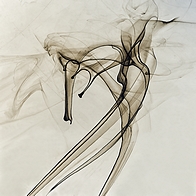
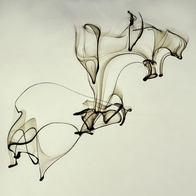
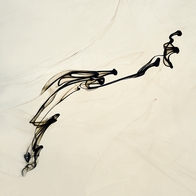
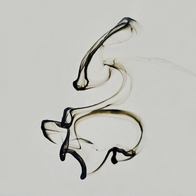
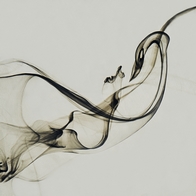
In Materia, la fotografia indaga il momento in cui la forma emerge
dall'indeterminatezza e si manifesta come evento temporaneo. Attraverso
l'incontro di fluidi diversi per densità e colore la materia
genera configurazioni imprevedibili, destinate a trasformarsi e dissolversi
in pochi istanti, senza possibilità di essere riprodotte nella loro unicità.
L'immagine nasce dall'osservazione di questo processo effimero, nel quale la
materia sembra organizzarsi spontaneamente in strutture, trame e presenze
che oscillano tra riconoscibilità e astrazione. La fotografia arresta un
momento di questa continua trasformazione, rendendo visibile ciò che, per
sua natura, non può permanere.
Più che una ricerca sulla materia, la Serie Materia è un'indagine sulla forma come
manifestazione provvisoria: qualcosa che affiora dall'indeterminato,
acquista una propria identità e infine vi ritorna. La fotografia diventa
così lo strumento per interrogare il confine instabile tra apparire e
scomparire, tra ciò che riconosciamo e ciò che ancora sfugge alla nostra
percezione.
SE DESIDERI SAPERNE
DI PIU' ...

Verso
l'indeterminato
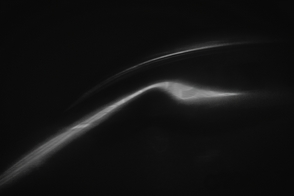
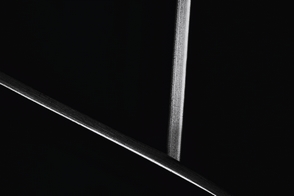
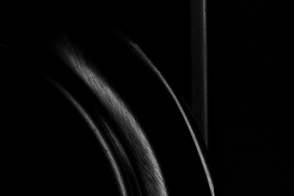
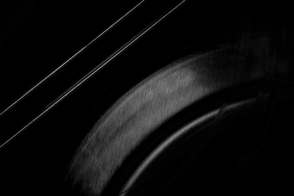
Nella filosofia di Anassimandro, l'ápeiron designa il principio
originario, infinito e indeterminato, dal quale ogni cosa ha origine e al
quale ogni cosa ritorna. È a partire da questa intuizione che si sviluppa
Apeiron, una ricerca fotografica che si spinge oltre i confini della forma
riconoscibile, verso una dimensione in cui la materia visibile sembra
perdere la propria identità per aprirsi a nuove possibilità di percezione.
Le immagini si sottraggono alla rappresentazione immediata del reale e
diventano territori di instabilità, nei quali tracce, presenze e
configurazioni emergono senza mai risolversi in una definizione compiuta. Lo
sguardo è così condotto verso una soglia in cui il visibile non offre più
certezze, ma lascia affiorare l'idea di qualcosa che lo precede e lo
oltrepassa.
Apeiron non cerca di rappresentare l'origine, né di attribuirle una forma,
ne esplora l'intuizione: la possibilità di un principio che
contenga ogni forma senza coincidere con nessuna di esse. La fotografia
diventa così un'indagine sul limite del visibile e sul mistero di ciò che,
pur restando indeterminato, rende possibile ogni apparizione.
PRESTO DISPONIBILE ...
 Nato
a Nuoro nel 1961, Alessandro Idini si avvicina alla fotografia fin da
giovanissimo. Dopo il trasferimento a Milano frequenta l’Accademia di Belle
Arti di Brera, dove si laurea con una tesi dedicata all’evoluzione del
ritratto fotografico tra l’inizio del Novecento e gli anni Ottanta.
Nato
a Nuoro nel 1961, Alessandro Idini si avvicina alla fotografia fin da
giovanissimo. Dopo il trasferimento a Milano frequenta l’Accademia di Belle
Arti di Brera, dove si laurea con una tesi dedicata all’evoluzione del
ritratto fotografico tra l’inizio del Novecento e gli anni Ottanta.
Durante gli anni della formazione avvia l’attività professionale come
fotografo nel settore della moda, realizzando servizi editoriali, campagne
pubblicitarie e ritratti di artisti della scena culturale milanese. Dopo la
laurea si trasferisce a Parigi, esperienza che contribuisce a definire una
sensibilità artistica indipendente e una visione della fotografia orientata
alla ricerca.
Negli anni successivi si dedica al giornalismo e alla fotografia
naturalistica, sviluppando un crescente interesse per il paesaggio e per i
processi di trasformazione della natura. Dai primi anni Duemila orienta
progressivamente la propria attività verso la fotografia fine art,
individuando nell’immagine uno spazio di indagine aperto alla
sperimentazione linguistica e concettuale.
Nel 2010 avvia la serie Flowers, progetto destinato a diventare il nucleo
fondativo della sua ricerca artistica. La prima fase del lavoro, sviluppata
fino al 2019, è realizzata prevalentemente in bianco e nero mediante
l’impiego del banco ottico e del medio formato analogico. Attraverso una rappresentazione essenziale e sospesa
del fiore, la serie esplora i temi della bellezza, del tempo e della
caducità della forma. Questo corpus di opere ottiene un significativo
riconoscimento internazionale presso riviste specializzate, collezionisti e
ambienti della fotografia fine art.
Dal 2020 la ricerca evolve in una nuova direzione. Pur mantenendo il fiore
come soggetto esclusivo e lo studio come unico spazio operativo, Flowers
introduce il colore come elemento centrale della costruzione dell’immagine.
L’adozione di una visione più drammatica e teatrale conduce il lavoro verso
una riflessione sulla percezione, sulla trasformazione e sulla tensione tra
evidenza formale e dissoluzione della materia. Da questa evoluzione nascono
le serie confluite poi nella ricerca denominata Limen (Venustas, Materia, e Apeiron) che esplora
le relazioni tra forma, materia, colore e percezione. Ulteriori
capitoli autonomi (Fragments, Ekpyrosis, Khromaton, Myst of Time e Dendron)
fanno parte di una ricerca attualmente in corso di realizzazione.
L’opera di Alessandro Idini si colloca al confine tra figurazione e
astrazione, in dialogo con la tradizione fotografica, le avanguardie
storiche e alcune delle principali esperienze dell’arte moderna del
Novecento. Al centro della sua pratica emerge una riflessione costante sui
limiti della percezione e sul ruolo dell’immagine nella costruzione della
nostra esperienza del reale.
Ronald Loughty - ArtVille Magazine

Opere e
quotazioni
Per informazioni sulle opere, sulle quotazioni, sulla disponibilità
e su eventuali progetti su commissione, puoi contattarmi direttamente.
Collaborazioni e progetti
Sono disponibile a valutare proposte di collaborazione con
gallerie, curatori, spazi espositivi e professionisti interessati al mio
lavoro.
Workshop e progetti di ricerca
Valuto proposte per attività formative, workshop e progetti di
ricerca condivisi con istituzioni culturali, scuole e realtà interessate
alla sperimentazione fotografica.
Per qualsiasi informazione o proposta, sarò lieto di ricevere un tuo messaggio.
web site optimized for 1366 x 768 screen